
News
Technical Notes
-
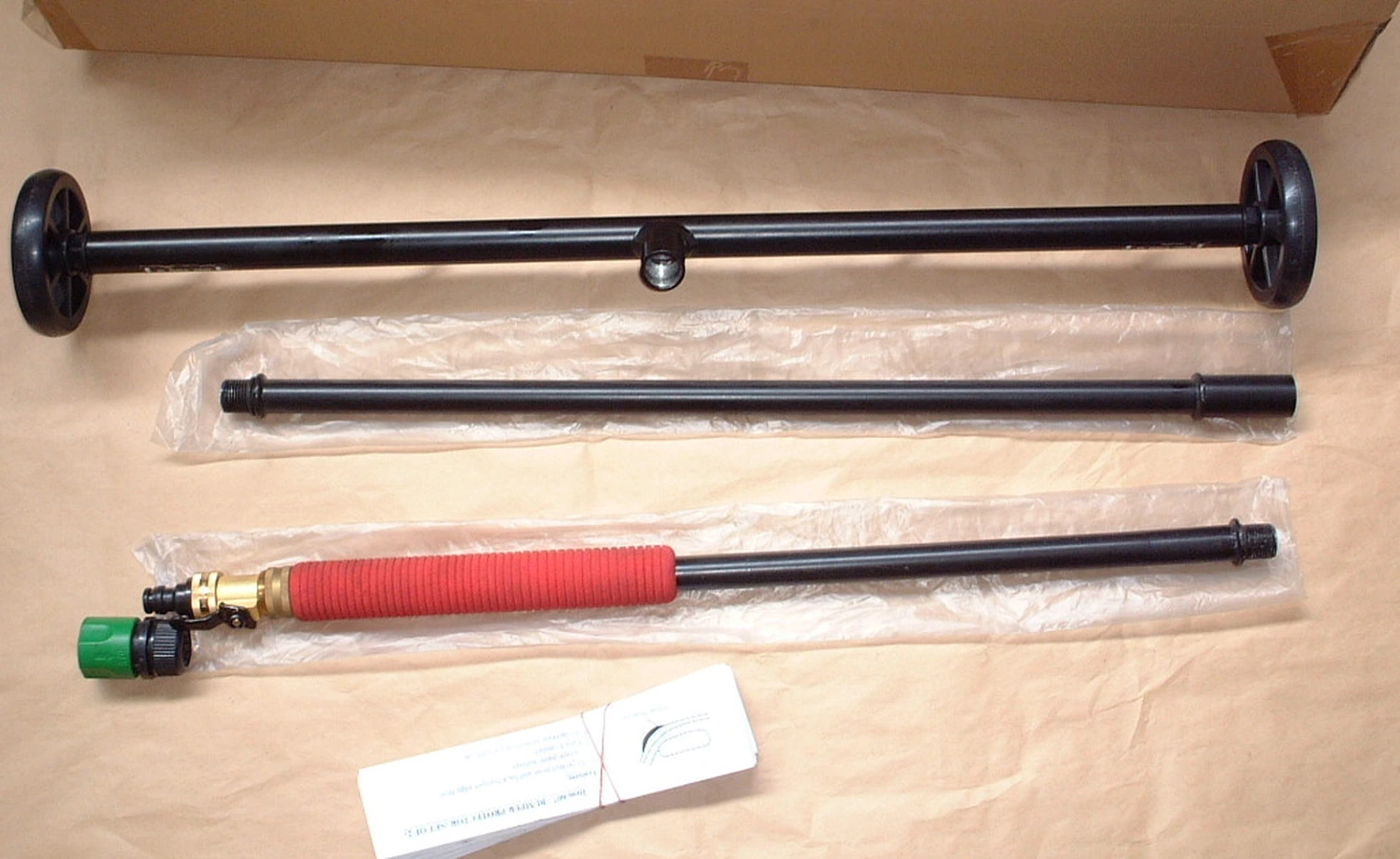
After Injection Molding: Ultrasonic Welding, Hot Stamping, Tapping and Riveting Explained
Many molded parts need ultrasonic welding, hot stamping, tapping, riveting and assembly before they are finished. Here is how these secondary operations work, and how Chien Chen sources partner components and ships everything together.
-
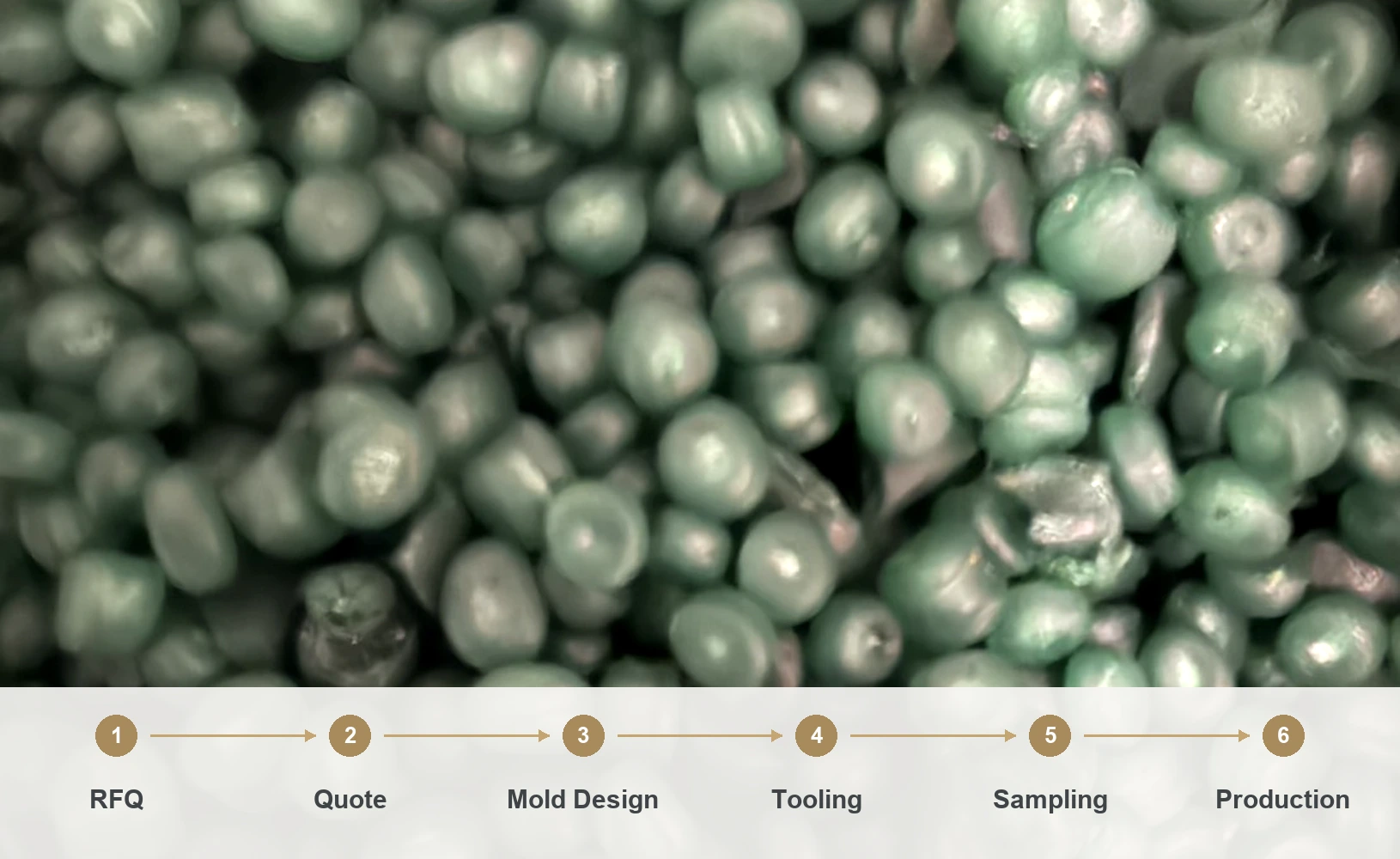
How Long from Tooling to Production? 6 Steps of Injection Molding OEM
How long does it take from tooling to production? Here are the six steps from RFQ, quotation and mold design to tooling, sample approval and production, and what to prepare at each stage.
-
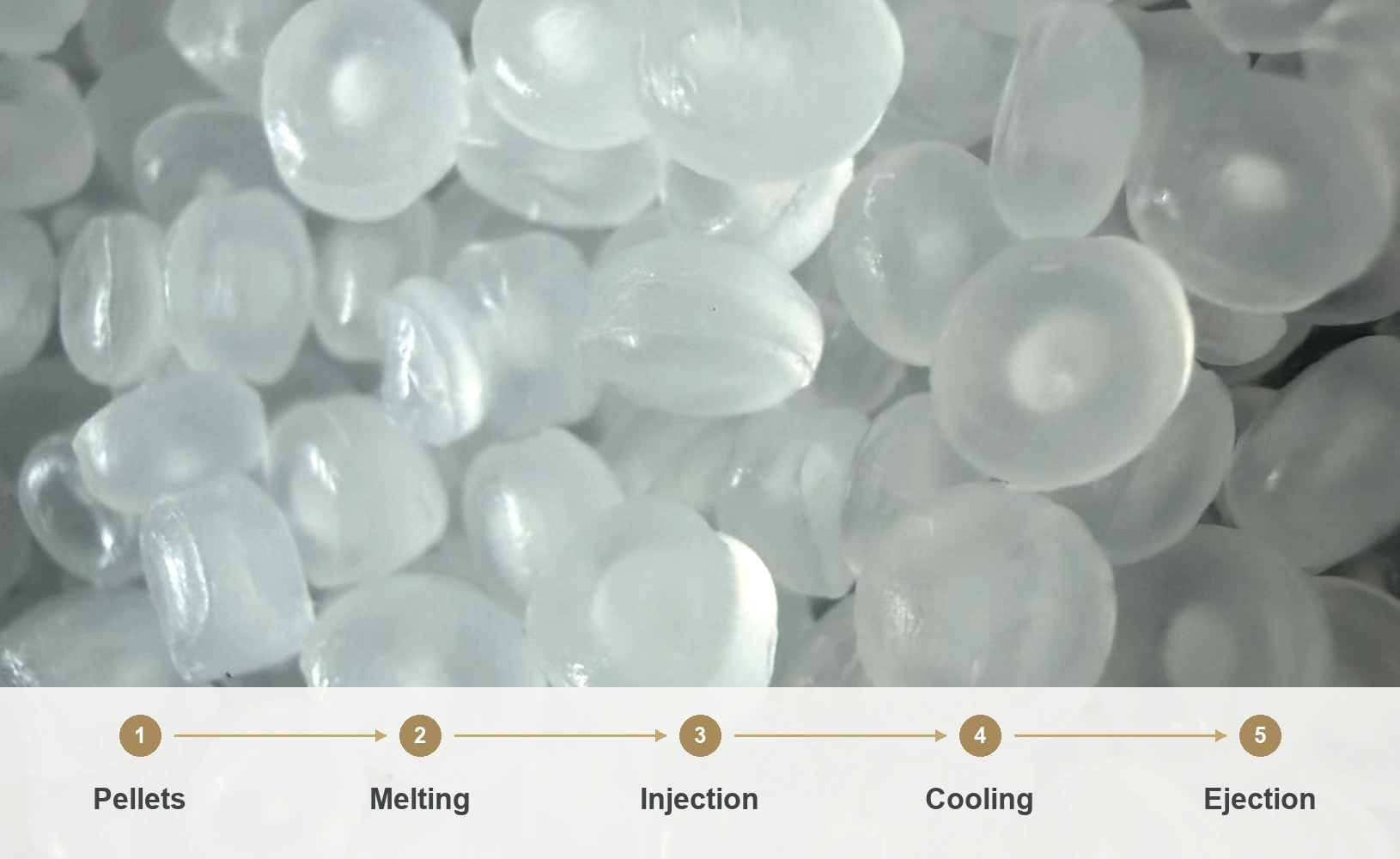
What Is Injection Molding? 5 Steps from Plastic Pellets to Finished Parts
Injection molding melts plastic pellets, injects them into a mold and ejects the cooled part. It is the most common way to mass-produce plastic parts. Here are the five steps, explained by an injection molder in Fengyuan, Taichung.
-
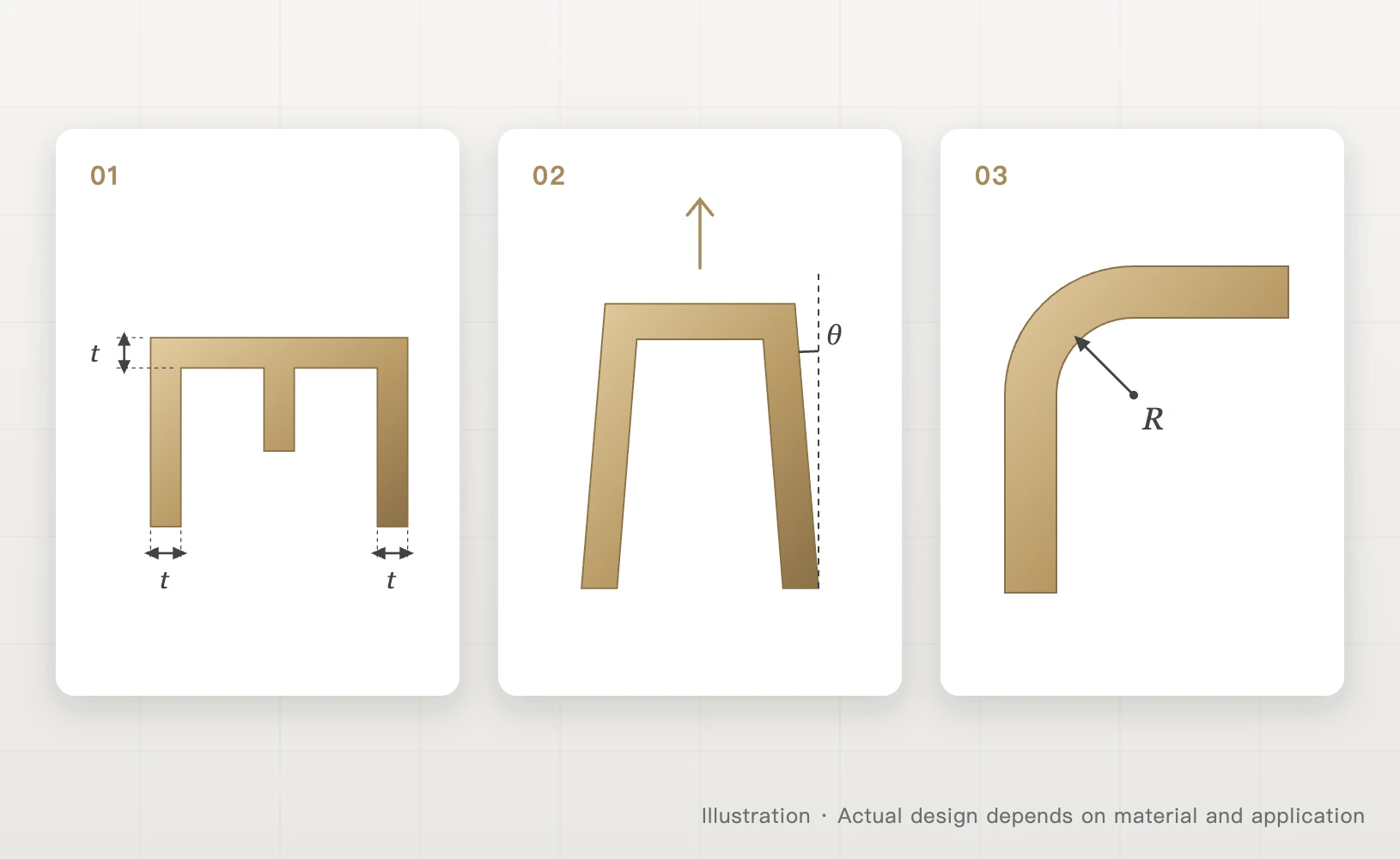
Plastic Part Design Tips: Wall Thickness, Draft Angles and Radii
Whether a plastic part is easy to mold is largely decided on the drawing. Getting wall thickness, draft angles and radii right means a simpler mold and fewer defects. Here are three things to check before tooling.
-
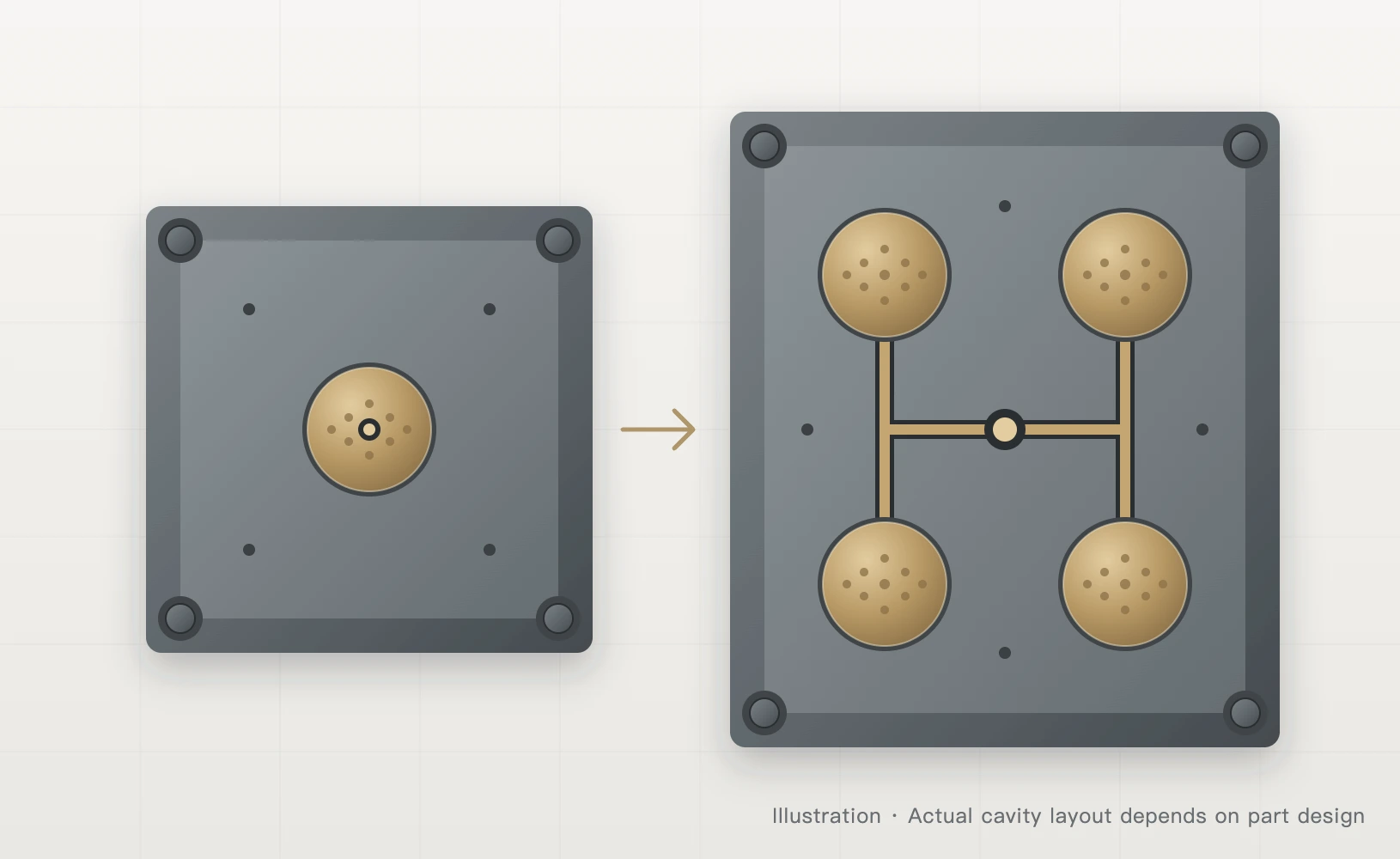
Single-Cavity vs Multi-Cavity Molds: How to Choose
Single-cavity molds cost less and are faster to build; multi-cavity molds lower the unit price and raise output. Here is how part volume, size, precision and machine capacity decide the right cavity count.
-
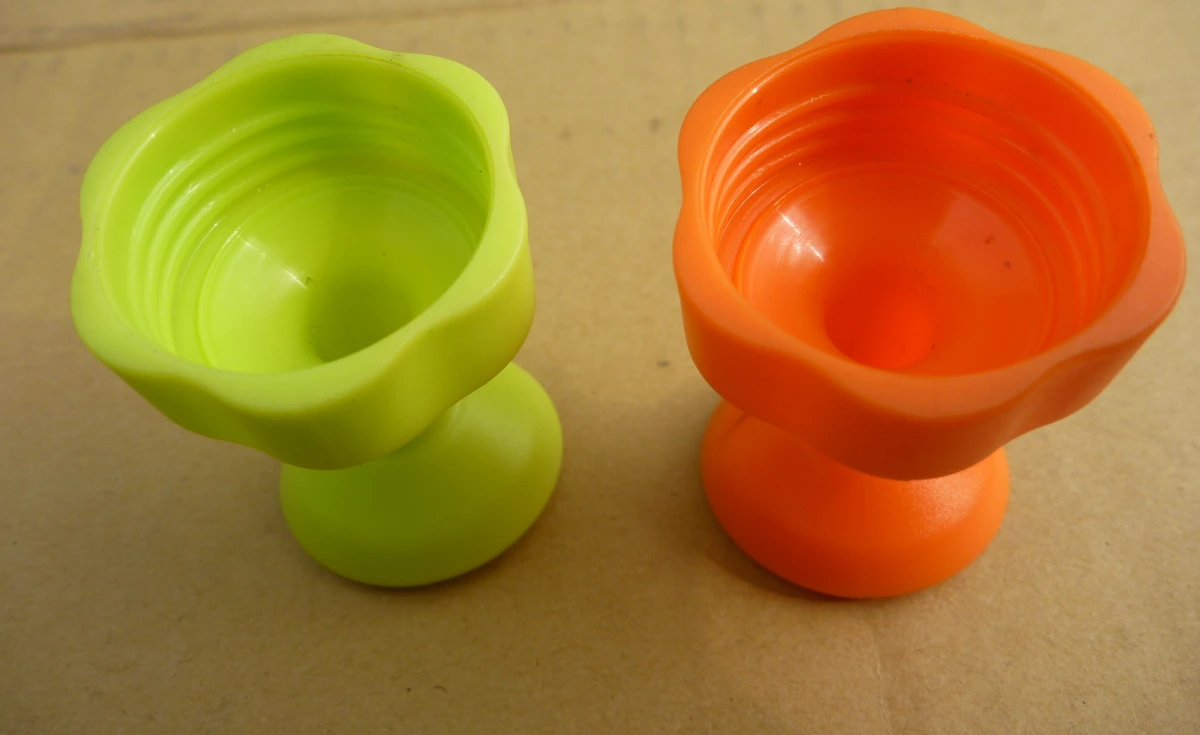
Common Injection Molding Defects: Flash, Sink Marks, Short Shots and Warpage
Flash, sink marks, short shots and warpage are the four most common injection molding defects. Here is what causes each one, from mold and material to process settings, and how to fix them.
-
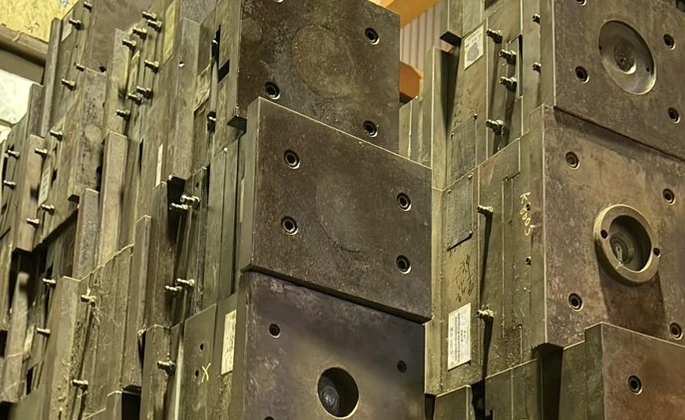
How Much Does an Injection Mold Cost? 5 Factors That Drive Tooling Price
Two plastic parts of similar size can have very different tooling costs. Part size, cavity count, complexity, mold steel and surface finish all affect the price. Here is how a mold quote comes together.
-
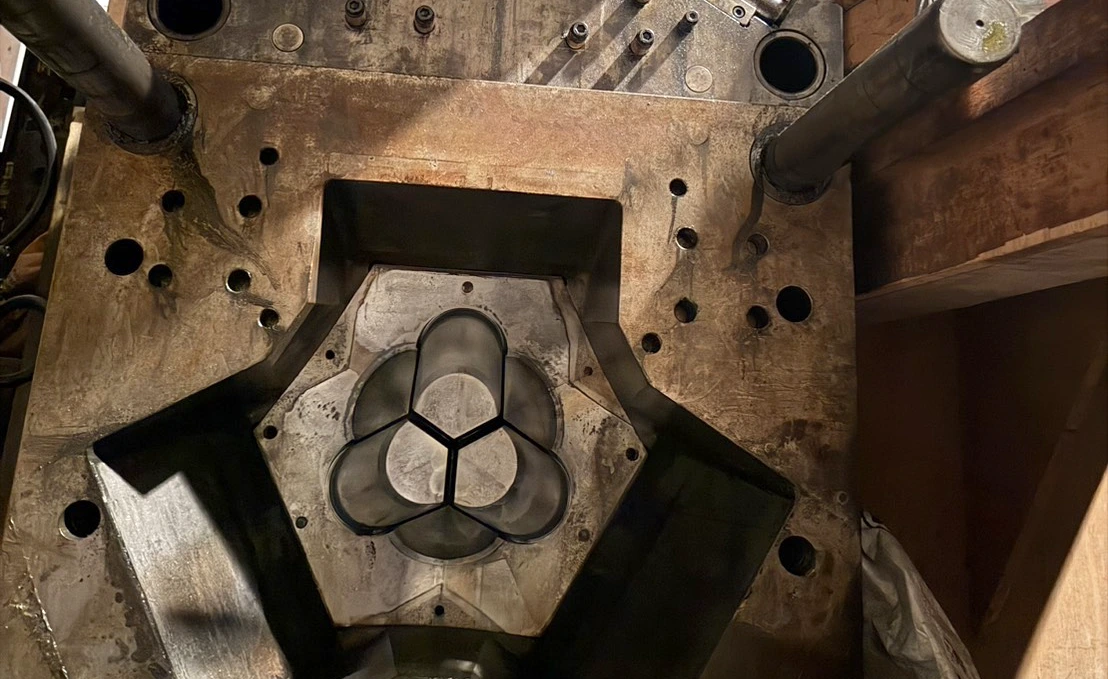
Why Special Compounds Should Be Trial-Molded at the Source
When standard resin falls just short of a test such as SGS, a tailored compound can make the difference. Here is why trial molding, process tuning and testing work best at the molder that developed the compound.
-
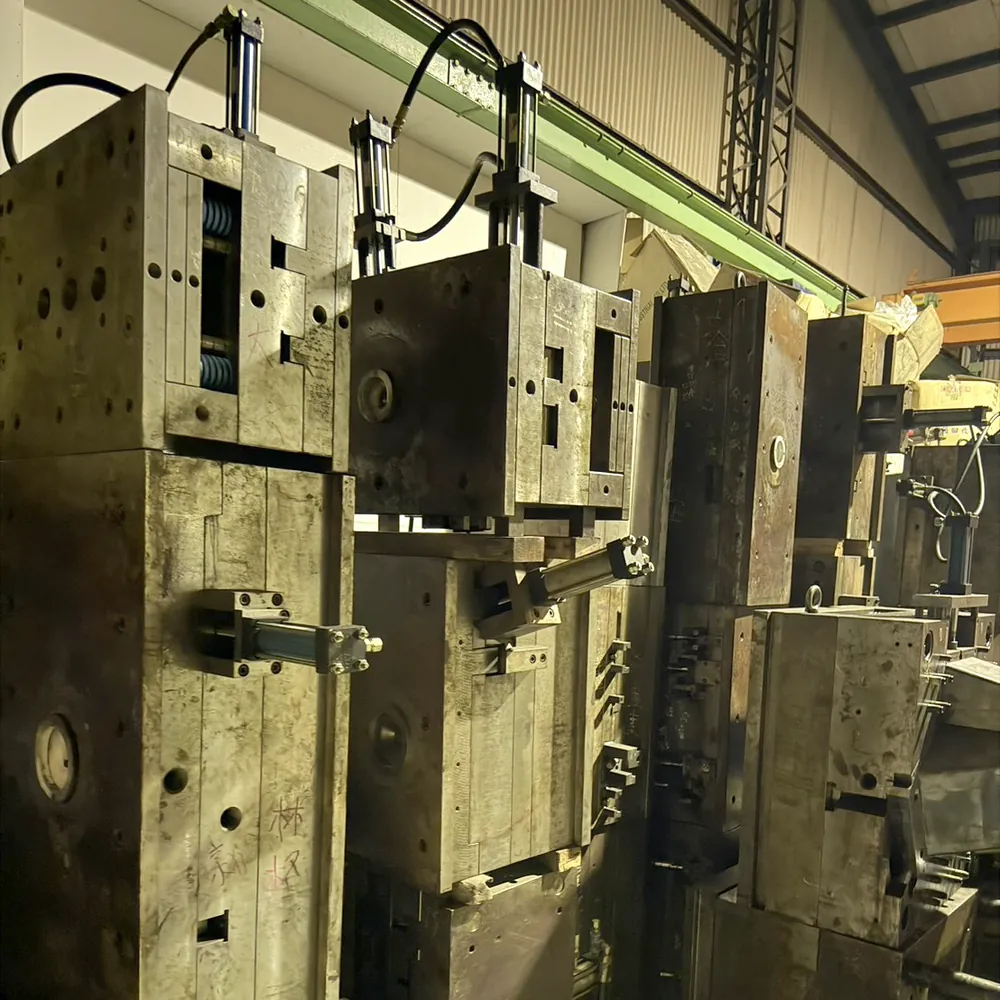
How to Choose a Plastic Injection Molder in Taichung, Taiwan: 6 Things to Check
There are many injection molders in Taichung. Here are six things to check before you request a quote, from machine tonnage and in-house tooling to materials, secondary processing and minimum order quantity.
-
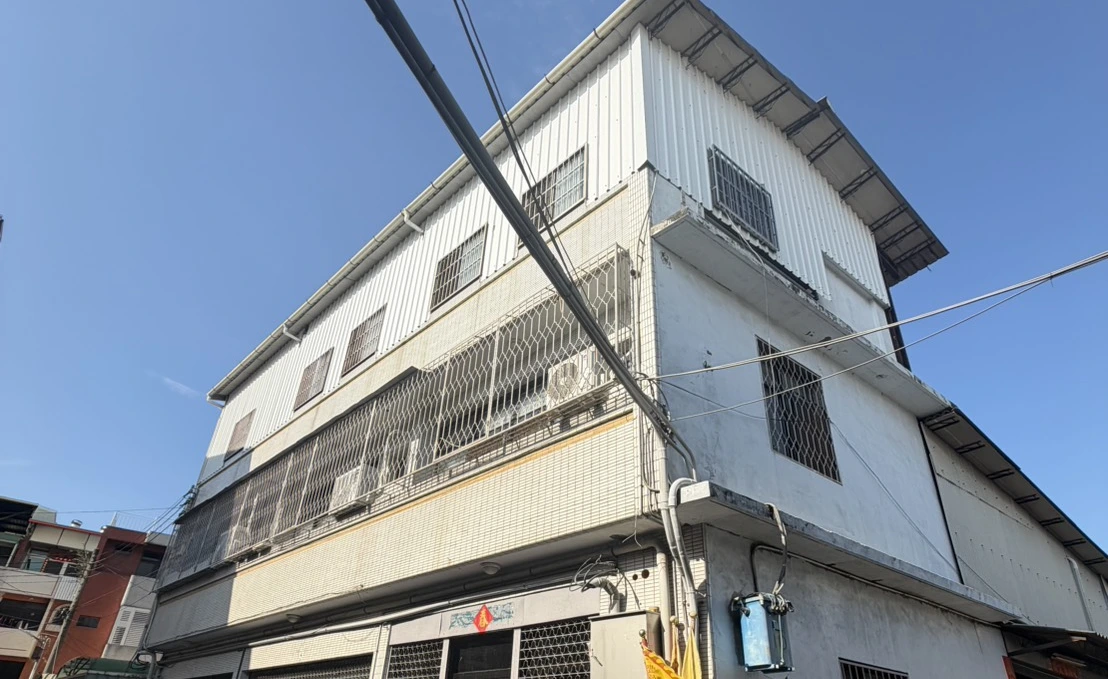
Why Taichung Is a Hub for Plastic Injection Molding and Mold Making
Taichung is the center of Taiwan’s machinery industry, and the Fengyuan area is home to a dense cluster of mold makers, molders and finishing shops. Here is why that matters when you source plastic parts from Taiwan.
-
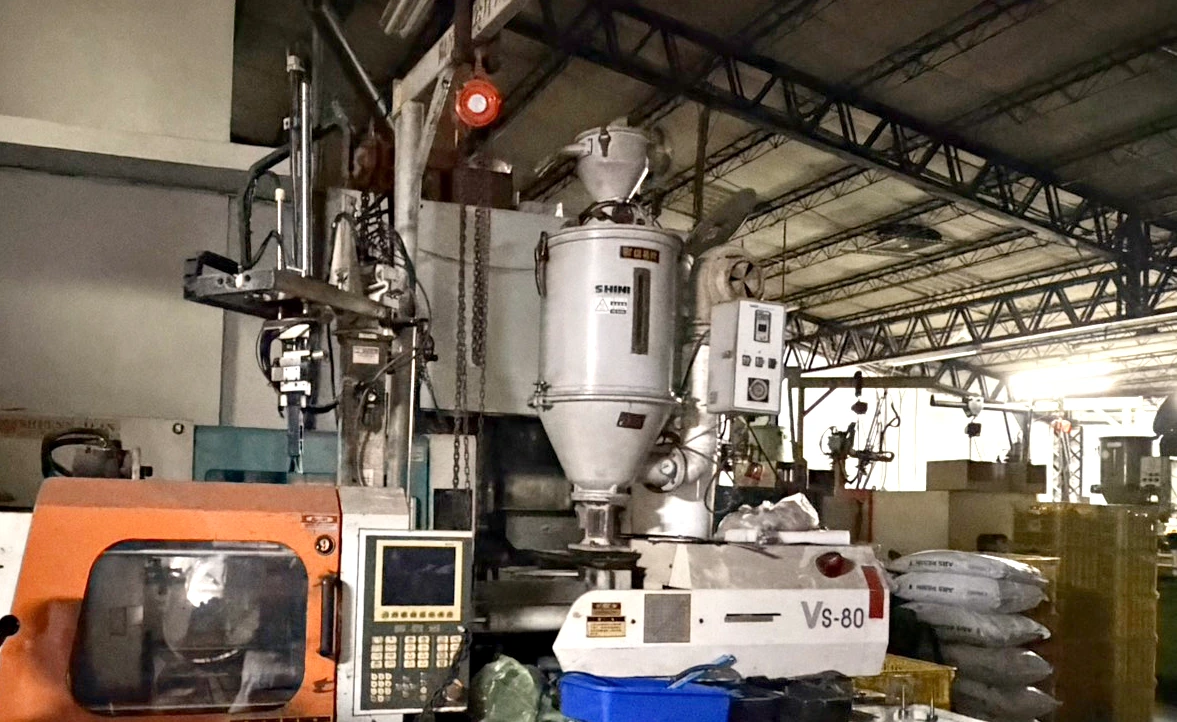
Why Source Plastic Injection Molding from Taiwan?
Looking for a reliable plastic injection molding partner in Asia? Here is why many buyers in North America, Europe, Japan and Australia choose Taiwan, and what to look for in a Taiwanese molder.
-
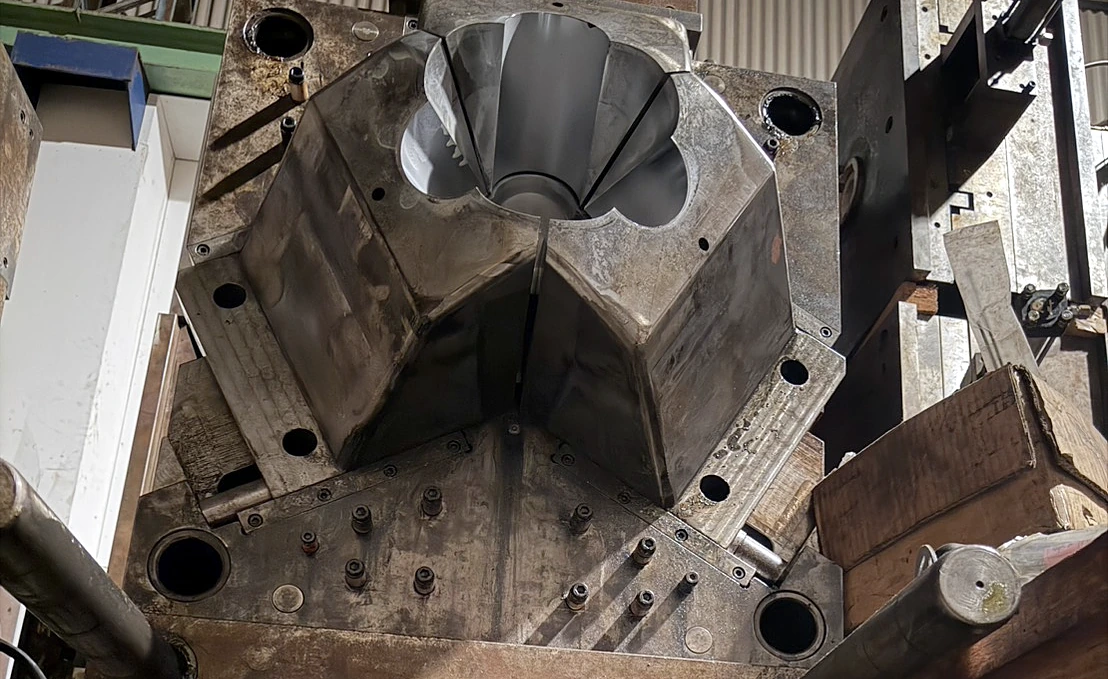
How Much Shot Size Do You Need? Sizing a Machine by Part Weight
Tonnage depends on projected area, but shot size depends on part weight. Here is how to estimate shot size from part and runner weight, and why 60–80% of machine capacity is the right working range.