A part fresh out of the mold is often not yet a finished product. Housings need joining, logos need marking, screw holes need threads, and plastic parts need to be assembled with metal parts, springs and packaging. These are called secondary operations. Chien Chen, an injection molder in Fengyuan, Taichung for nearly 40 years, explains the most common ones.
1. Ultrasonic welding: joining plastic without glue
- High-frequency vibration creates friction heat at the joint, melting the surfaces so they fuse as they cool.
- Fast and clean, with no adhesives or screws.
- Ideal for housings that need to be sealed or water-resistant, or where screws should not show.
- Keep in mind: the two materials must be compatible (for example ABS to ABS), and the design needs an energy director for a strong joint.
Welded joints should be designed in before tooling. See plastic part design tips.
2. Hot stamping: logos and lettering
- A heated die presses color from a foil onto the plastic surface.
- Gold and silver are common, and other colors are available.
- Great for logos, lettering and scales, with a metallic, premium look.
- Keep in mind: flat or gently curved surfaces give the most even result.
3. Tapping: threads in plastic parts
- After molding, threads are cut into holes so screws can be fastened.
- Suited to parts that need to be taken apart or fastened to other components.
- Molding threads directly makes the mold more complex; tapping after molding is sometimes more economical.
- We can discuss which approach suits your part and volume before tooling.
Mold complexity affects tooling cost. See how tooling cost is calculated.
4. Riveting: fixing plastic to other parts
- Rivets fix plastic parts to metal plates or other plastic parts.
- Riveted joints do not loosen easily, ideal for areas under load or that rotate.
- No screws needed, so assembly is fast.
5. Assembly in our factory
- Molded parts and partner-supplied components are assembled in-house at Chien Chen.
- Dimensions, appearance and function are checked during assembly.
- Finished products are then packed and boxed to your requirements.
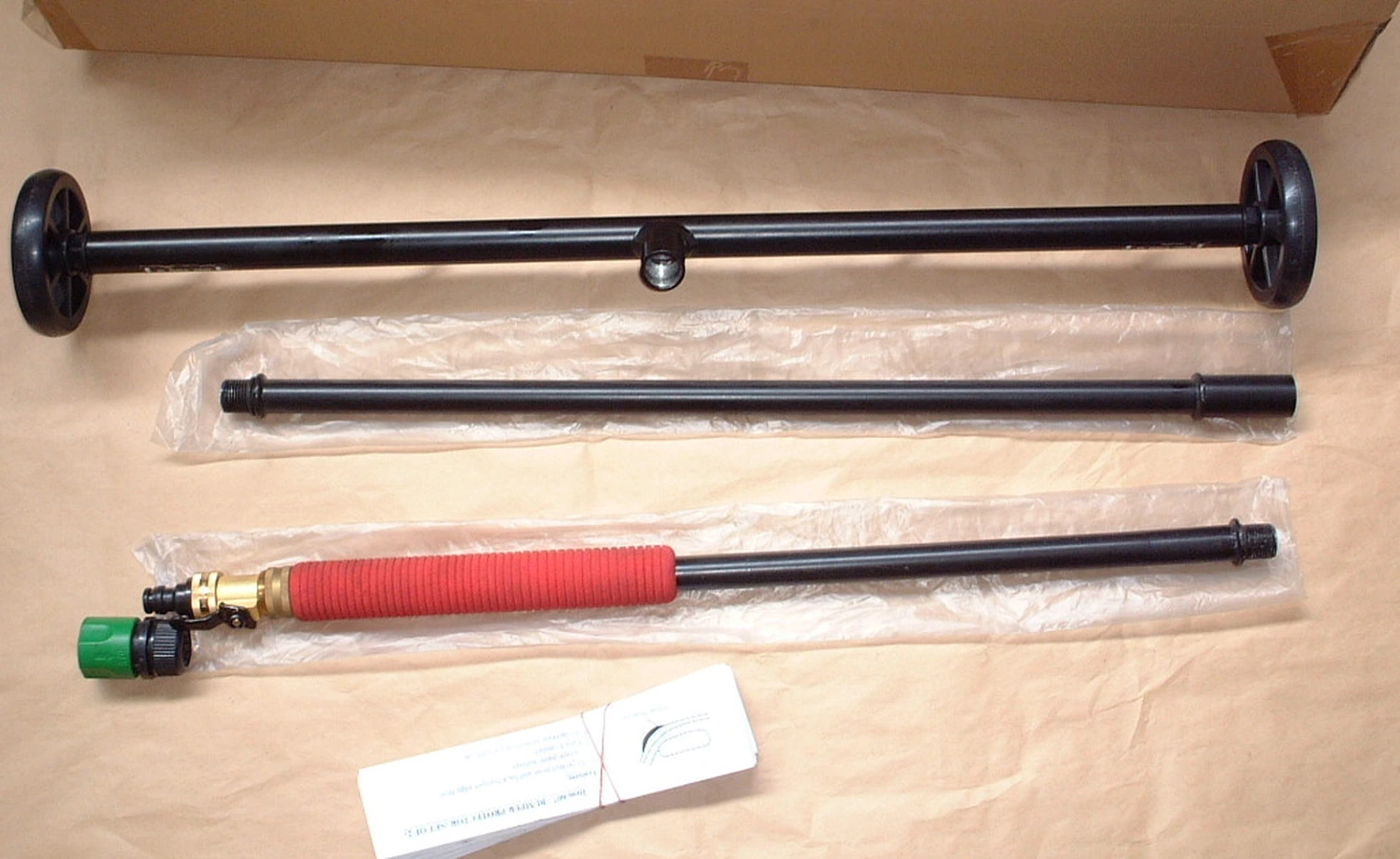
The cover photo shows a shipment sample in our factory, with parts and packaging ready to be boxed.
What do partners make? We source and inspect
- Metal: stampings, turned parts and springs
- Finishing: painting, plating and pad printing
- Other: electronic components, printed packaging, fabric, wood and cork
- These are made by long-term partners, and Chien Chen handles purchasing and quality control, then assembles and ships everything together.
- You deal with one point of contact instead of coordinating several suppliers and schedules.
Learn more about Taichung’s injection molding cluster.
Two ways to ship
- Finished products: assembled, packed and shipped directly.
- Sub-assemblies: finished plastic parts delivered to your own factory for assembly.
- Choose whichever fits your production plan; just let us know when you request a quote.
Include these in your RFQ
- Which operations you need: welding, hot stamping, tapping, riveting, assembly
- Any non-plastic components: metal parts, springs, electronics, packaging
- Packaging and shipping format (finished product or sub-assembly)
See the full process in how long from tooling to production, or our plastic injection molding services in Taiwan.
Does your product need welding, hot stamping or assembly, or metal parts, springs and packaging alongside the plastic? Tell Chien Chen when you request a quote, and we will handle everything from molding and finishing to shipping, with one point of contact. Request a quote.