“How much will the mold cost?” is one of the first questions in any new project. In fact, parts of a similar size can have tooling costs that differ several times over. Here are the 5 main factors behind a mold quote, and how to keep tooling cost under control.
1. Part size
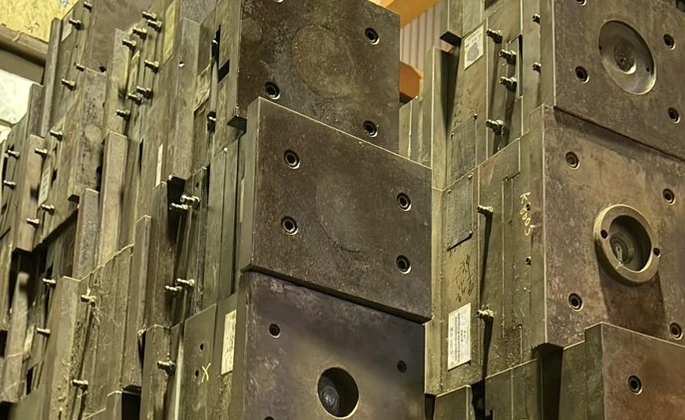
- Larger parts need larger molds, which means more steel and more machining time.
- Large molds also need larger machines for trials and production.
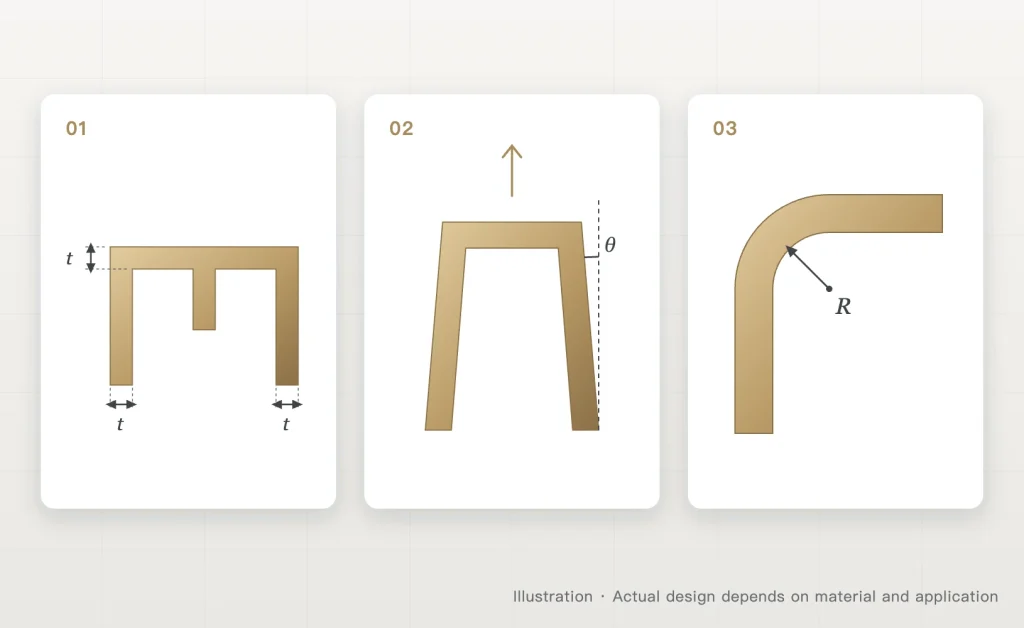
- Wall thickness and depth affect mold difficulty even for parts of the same size.
2. Number of cavities
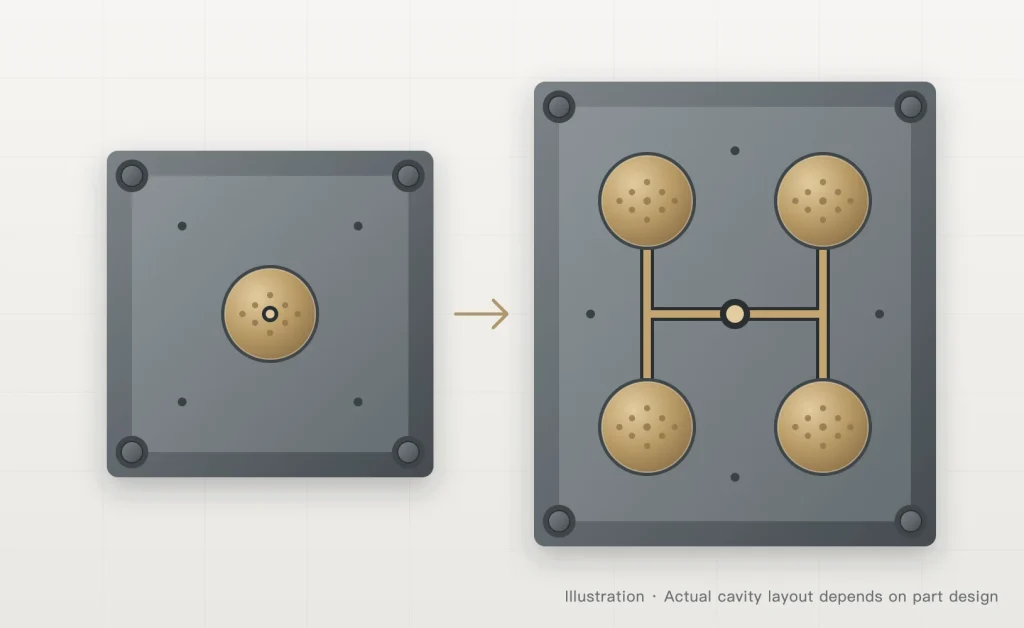
- Single-cavity molds have the lowest tooling cost and suit early development or low volumes.
- Multi-cavity molds cost more but produce several parts per cycle, so the unit price is lower.
- For high-volume, stable designs, multi-cavity tooling usually pays off.
Choose the cavity count based on annual demand. Many customers start with a single-cavity mold and move to multi-cavity once the design is proven.
3. Part complexity
- Undercuts, side holes and snap fits require slides or lifters to release the part.
- Parts with internal threads may need an unscrewing mechanism.
- Tight tolerances and thin walls add design and tuning time.
A design-for-manufacturing review before tooling can sometimes remove a slide with one small change.
4. Mold steel
- Higher production volumes need harder, more durable steel for adequate mold life.
- Abrasive materials such as glass-filled resins call for better steel.
- Clear parts and corrosion-sensitive applications may need special steel grades.
5. Surface finish
- Standard matte finishes cost the least; mirror polishing and texturing add machining work.
- Clear and cosmetic parts require a higher-grade mold surface.
- Treating cosmetic and non-cosmetic surfaces differently helps control cost.
How to keep tooling cost reasonable
- Review the design before tooling: adjust wall thickness, draft angles and undercuts for a simpler mold.
- Match cavities to volume: single cavity for low volume, multi-cavity for high volume.
- Share all requirements up front: material, quantity, appearance and testing needs for an accurate quote and fewer mold changes.
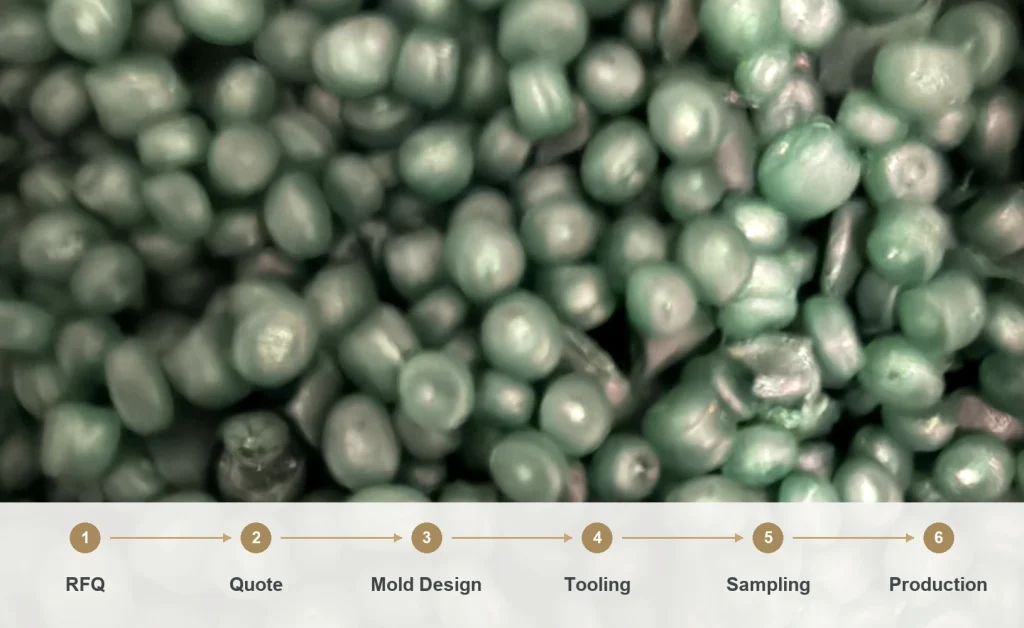
Want to know what tooling for your part would cost? Send us your drawings (STEP, IGES, DWG or PDF), material and estimated quantity, and Chien Chen will review the mold design and quote. Tooling typically takes about 4 weeks. Request a quote.