
News
Technical Notes
-
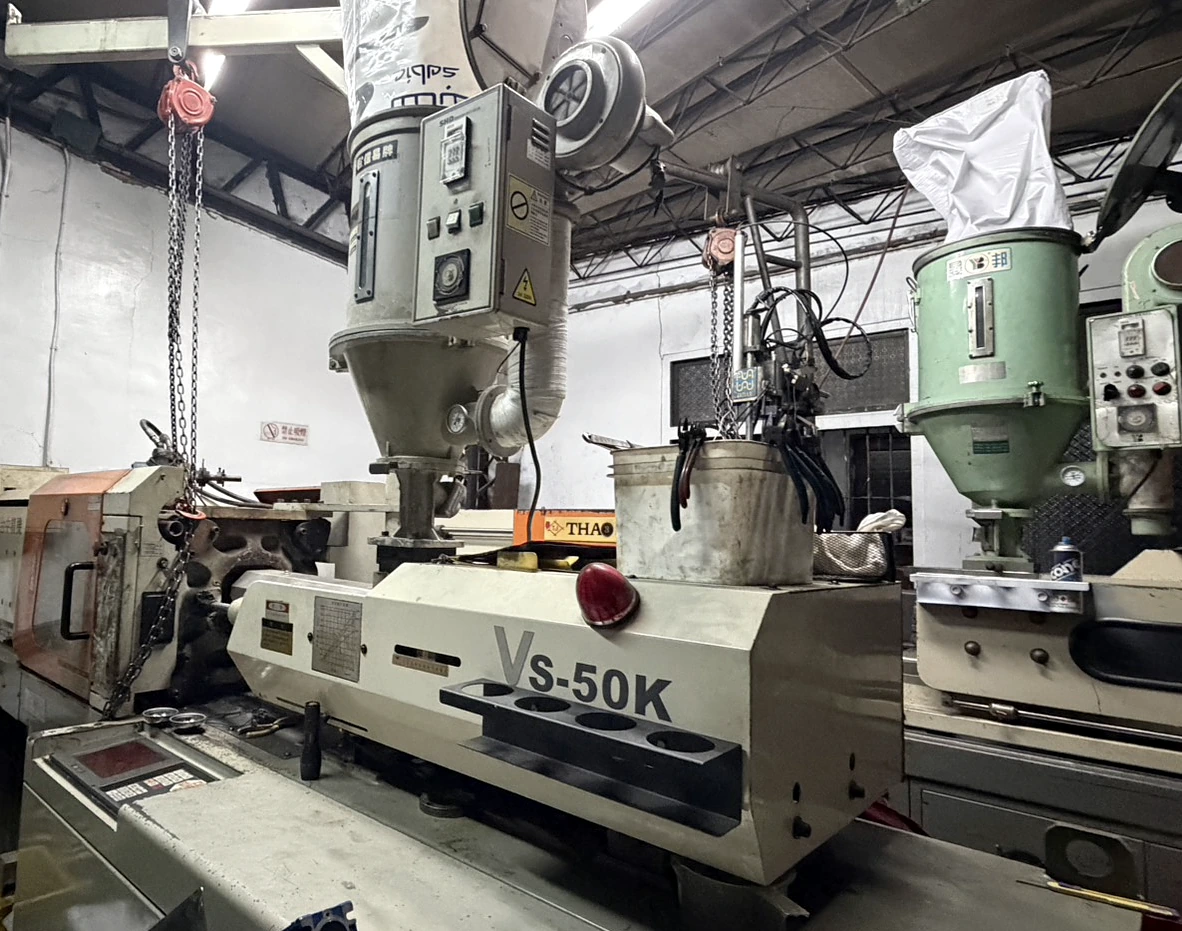
How to Choose Injection Molding Machine Tonnage: Estimating Clamping Force
“What size machine does this part need?” Here is what clamping force means, how to estimate tonnage from the projected area of your part, and what happens when the machine is too small or too large.
-
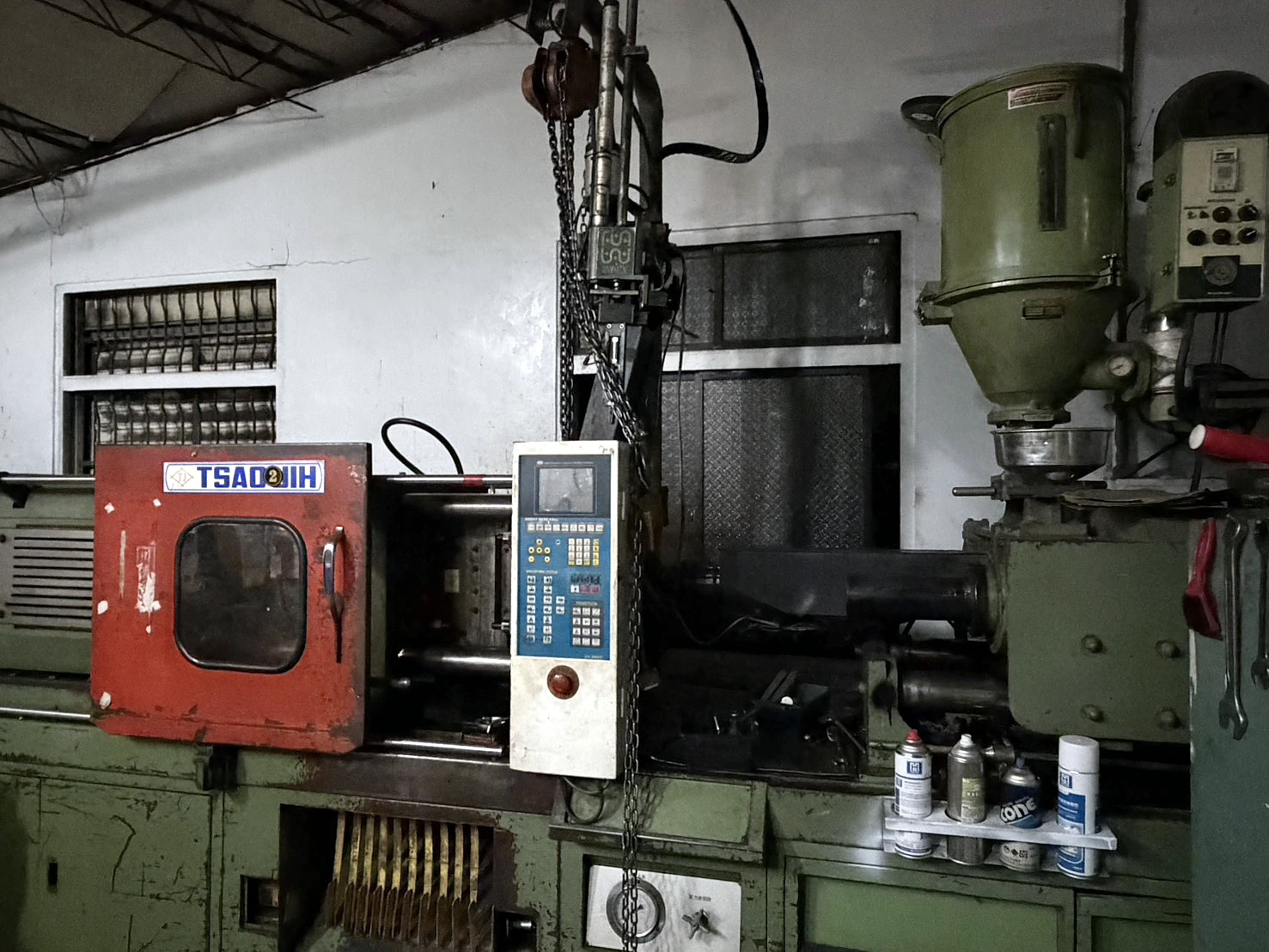
From 50T to 700T: What Each Machine Size Is Best For
Small machines suit precise small parts, while large machines handle big housings and structural parts. Here is what 50T to 700T machines typically produce, plus practical tips on multi-cavity molds and machine selection.
-
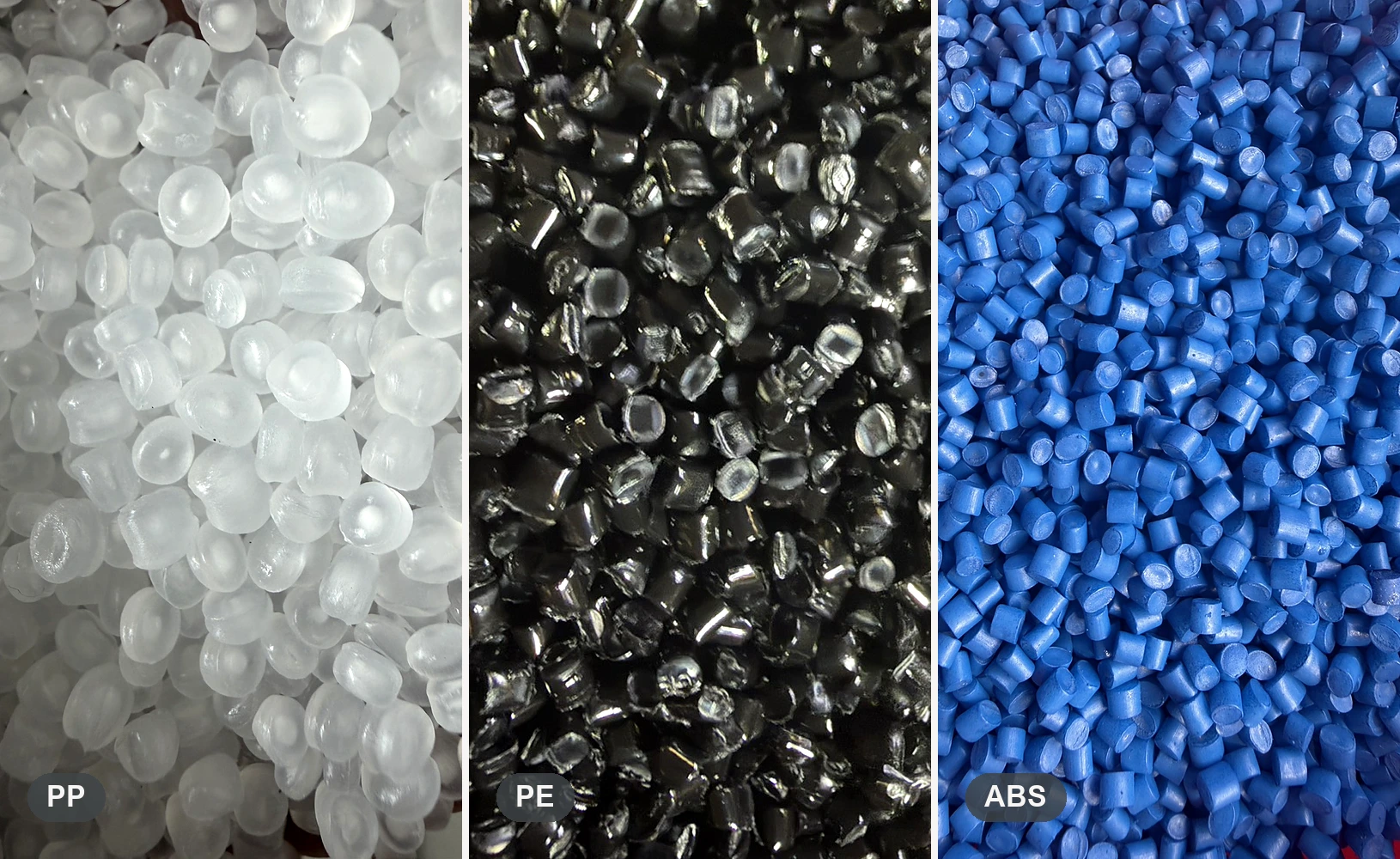
PP, PE or ABS? Choosing Between the Three Most Common Plastics
PP, PE and ABS are the most widely used commodity plastics in injection molding. Here is how they differ, where they are used, and what to consider when choosing one.
-
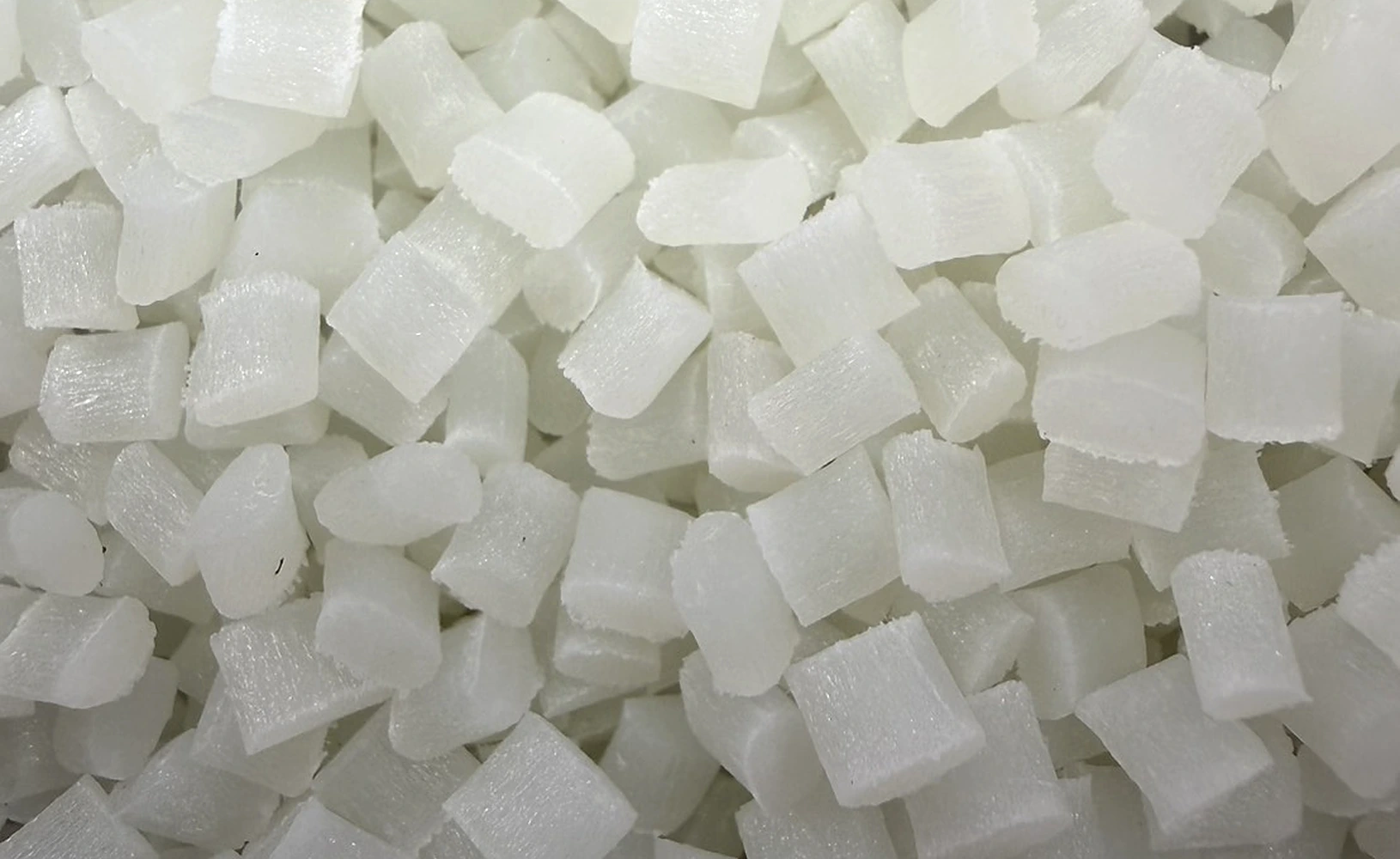
Nylon (PA) and Glass-Filled Nylon (PA+GF): Tough, Wear-Resistant Engineering Plastics
Nylon (PA) is tough and wear resistant; adding glass fiber (PA+GF) greatly increases stiffness and dimensional stability. Here are the differences and key molding considerations.
-
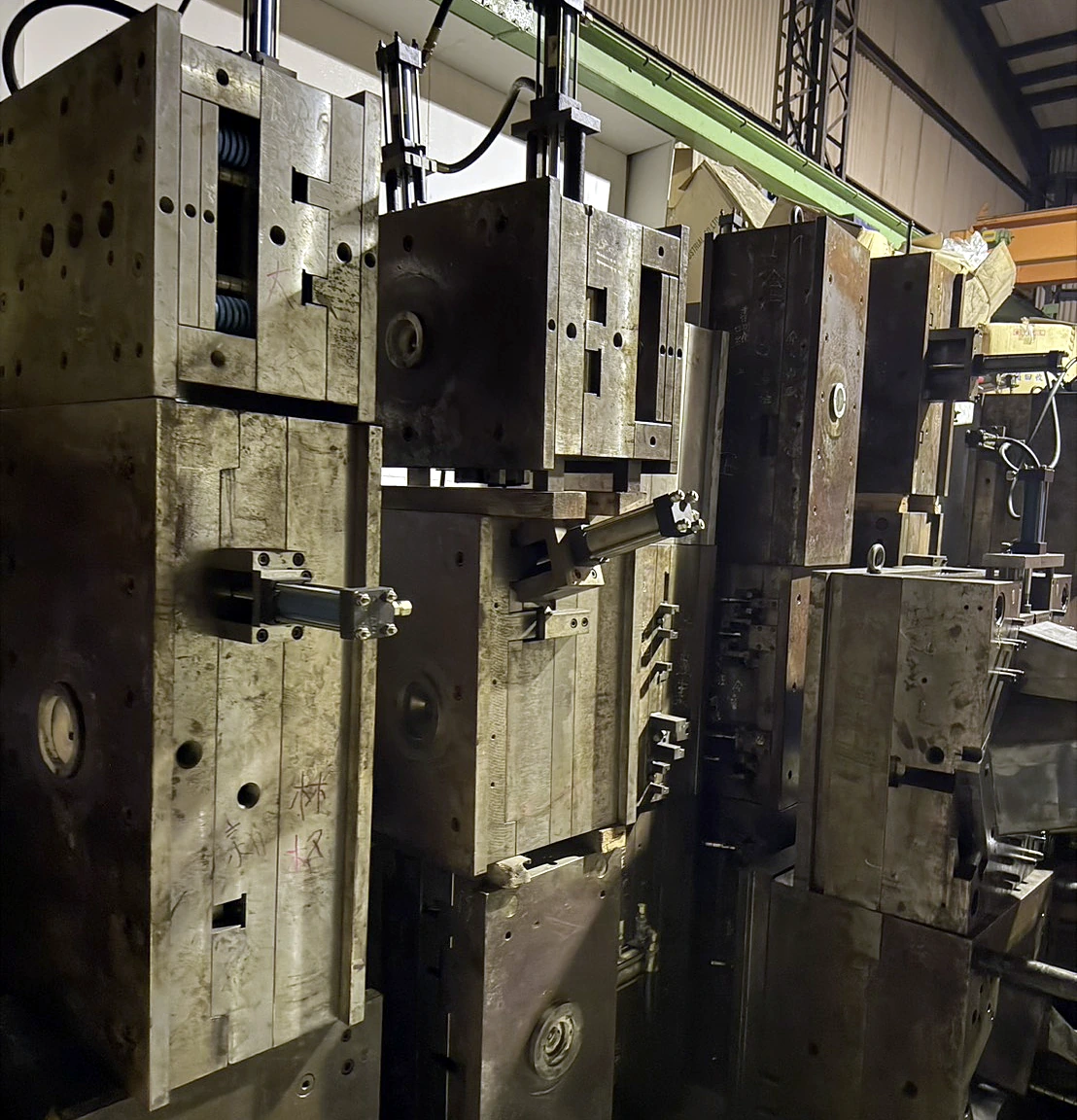
POM, PC, PBT and PPS: Four Common Engineering Plastics Compared
Engineering plastics offer better strength, heat resistance and dimensional stability than commodity plastics. Here are the properties, typical uses and selection tips for POM, PC, PBT and PPS.
-
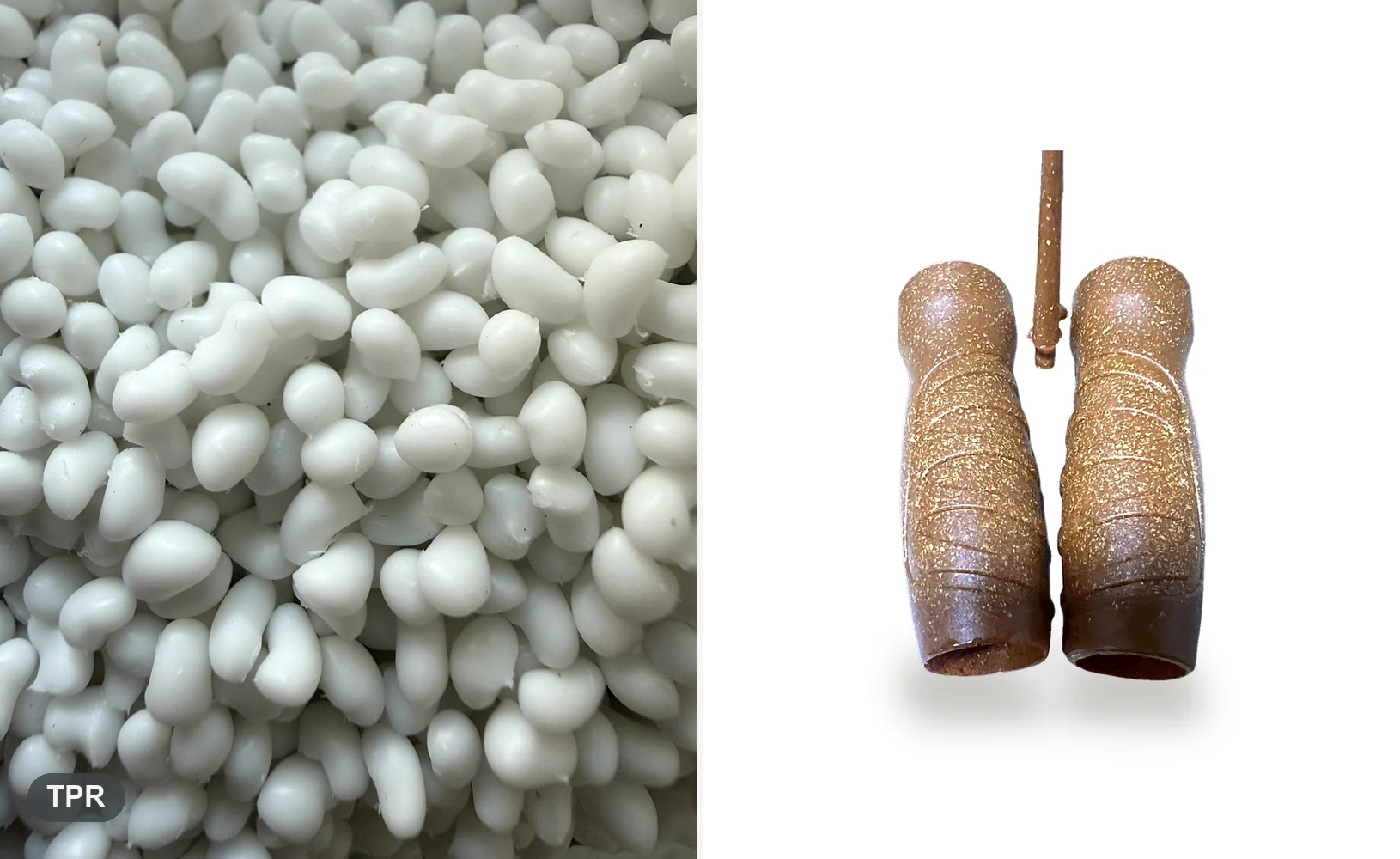
TPE/TPR Soft-Touch Materials and Cork Composite Grips
TPE/TPR combines the softness of rubber with the easy processing of plastics, making it ideal for grips and anti-slip parts. Chien Chen has also developed grips made from a cork and TPR composite.
-

Eco-Friendly and Specialty Materials: PLA, PETG/PCTG and Glow-in-the-Dark PP
From plant-based PLA and crystal-clear PETG/PCTG to glow-in-the-dark PP that charges in daylight and glows at night, here is what these specialty materials offer.