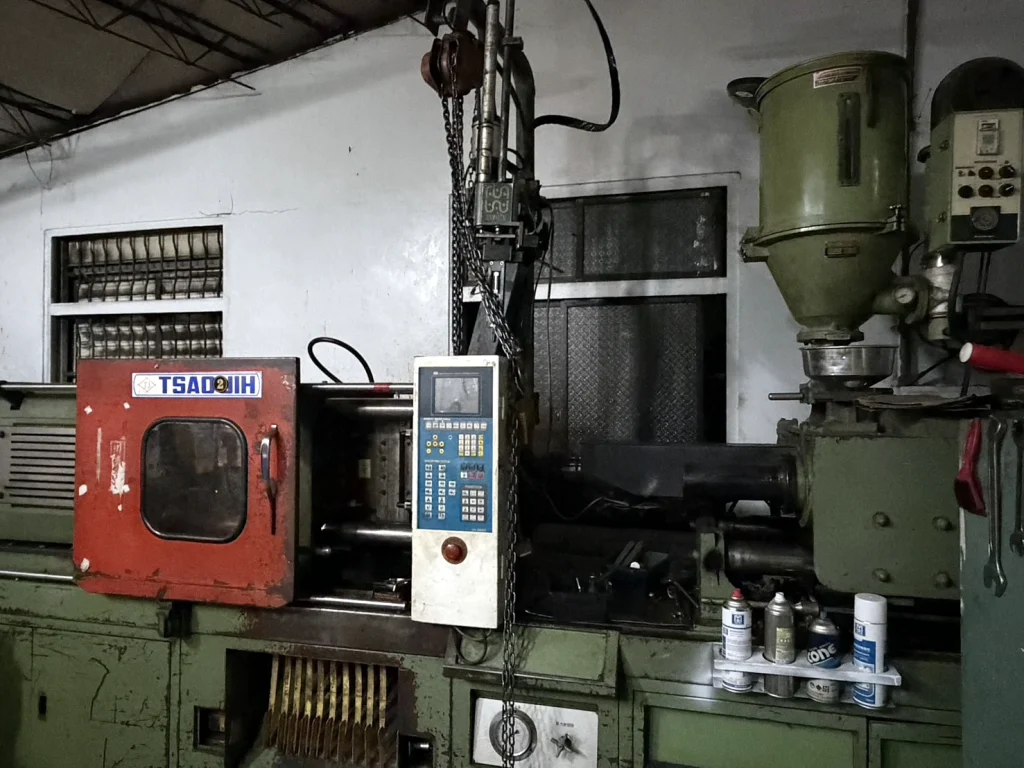
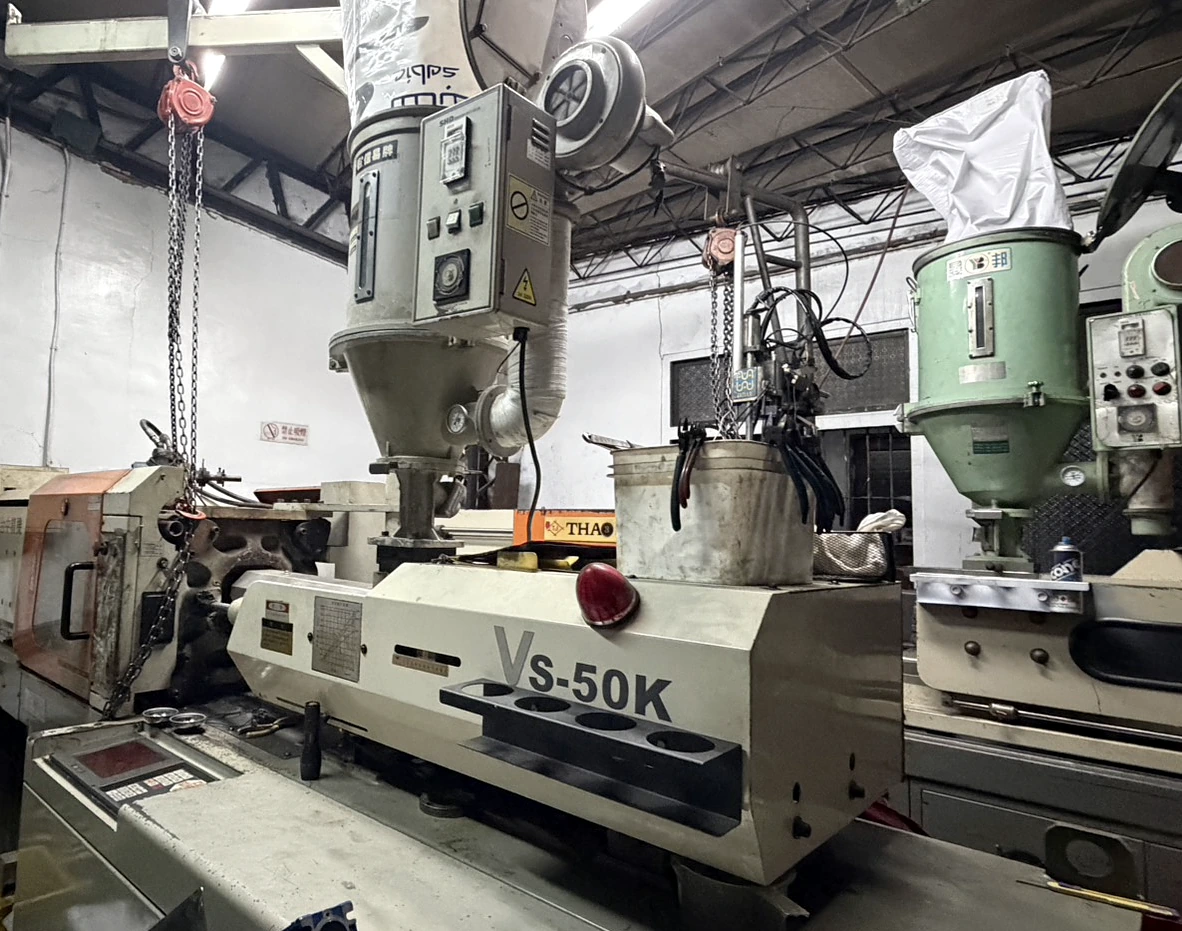
“What tonnage does this part need?” is one of the first questions in any new project. The tonnage of an injection molding machine is its clamping force: the force that keeps the mold closed while molten plastic is injected under high pressure. The right tonnage balances quality and cost.
What is clamping force?
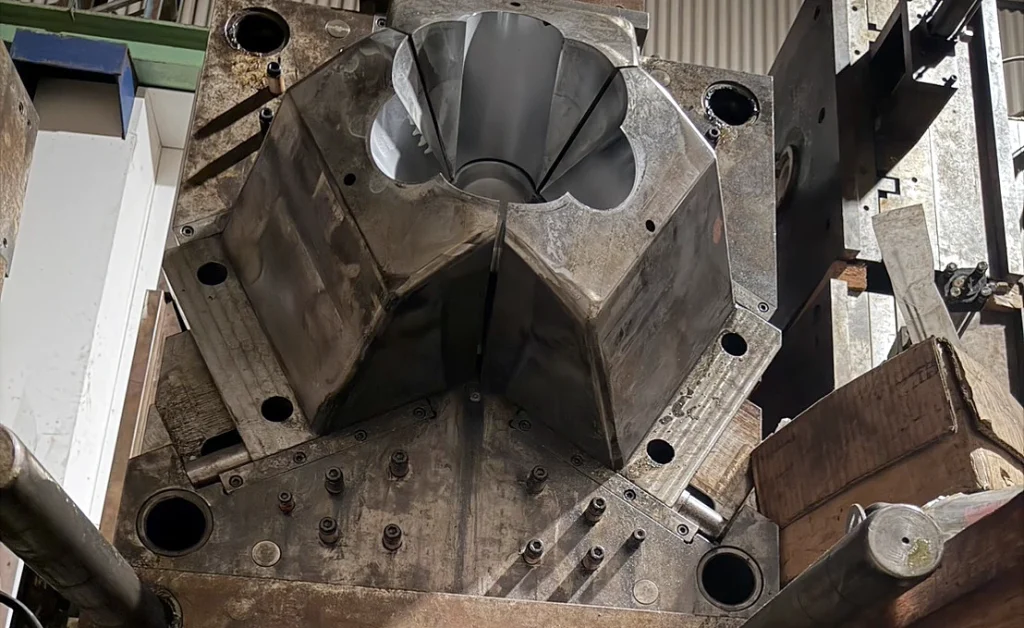
- When plastic is injected into the cavity under high pressure, it pushes the mold halves apart.
- The clamping force must exceed that force, or the part will flash.
- Machines are rated in tons, so a 150T machine provides about 150 metric tons of clamping force.
How to estimate the tonnage
- A common rule of thumb: clamping force (tons) ≈ projected area (cm²) × cavity pressure factor (tons/cm²).
- Projected area is the area of the part plus runners as seen from the mold opening direction; add up all cavities in a multi-cavity mold.
- The factor is typically 0.3–0.6 tons/cm². Use a higher value for stiff-flowing resins such as PC or glass-filled grades, and for thin walls or long flow lengths.
- Add a safety margin of about 10–20%.
Worked example
- A PP storage box lid with a projected area of about 20 cm × 15 cm = 300 cm².
- At 0.4 tons/cm²: 300 × 0.4 = 120 tons.
- With a safety margin, a machine of around 150T is a good fit.
This is only a first estimate; the final choice also depends on material, wall thickness, gating and mold design.
Tonnage is not the only factor
- Shot size: the screw must deliver enough material to fill the part and runners.
- Mold size: the mold must fit between the tie bars, and the opening stroke must allow the part to be ejected.
- Too small: flash, unstable dimensions and even mold damage.
- Too large: higher machine cost and energy use, and less precise shot control for small parts.
Chien Chen runs injection molding machines from 50–700T, covering everything from small precision parts to large structural components, and can match the right machine to your part size, material and volume. See our capabilities or send your drawings to request a quote.