Machine tonnage largely determines how big a part can be molded. Here is a quick guide to small, medium and large machines and the parts they typically produce.
Small machines (about 50–150T)
- Best for small precision parts, fasteners, gears, connectors, caps and electronic components.
- Small shot sizes and precise control suit light parts with tight tolerances.
Medium machines (about 150–350T)
- Best for tool housings, appliance housings, garden spray guns, sprinkler bodies and mid-size structural parts.
- The most versatile range, covering most consumer and industrial products.
Large machines (about 350–700T)
- Best for large housings, storage boxes, trays, automotive parts and large structural components.
- Handle larger projected areas and shot weights, and can run multi-cavity molds for mid-size parts.
Multi-cavity molds: trading tonnage for output
- Molding several parts per cycle shortens production time and lowers unit cost.
- More cavities need more clamping force and shot size, and therefore a larger machine.
- Best for high-volume, stable designs; early development can start with a single-cavity mold.
Practical tips for choosing a machine
- Estimate clamping force from part size and material first, then check shot size and mold dimensions.
- Consider annual volume: multi-cavity molds and larger machines for high volume, single-cavity molds on smaller machines to control cost at low volume.
- A molder with a full range of tonnages can match the machine to your part, not the other way around.
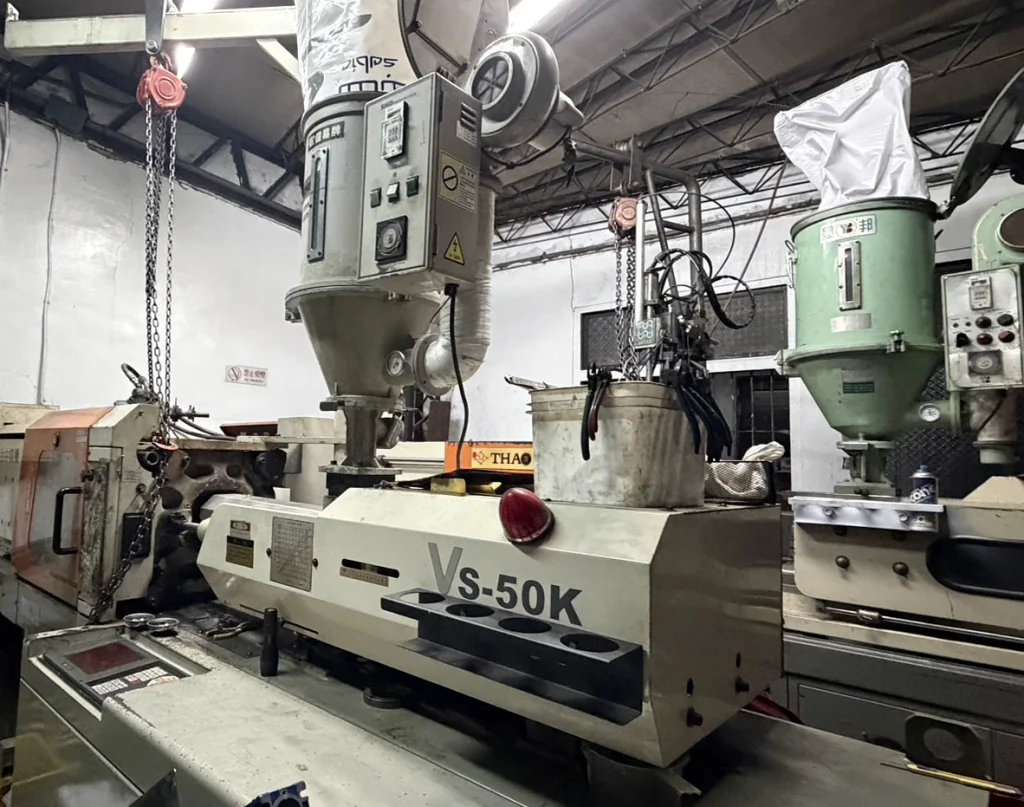
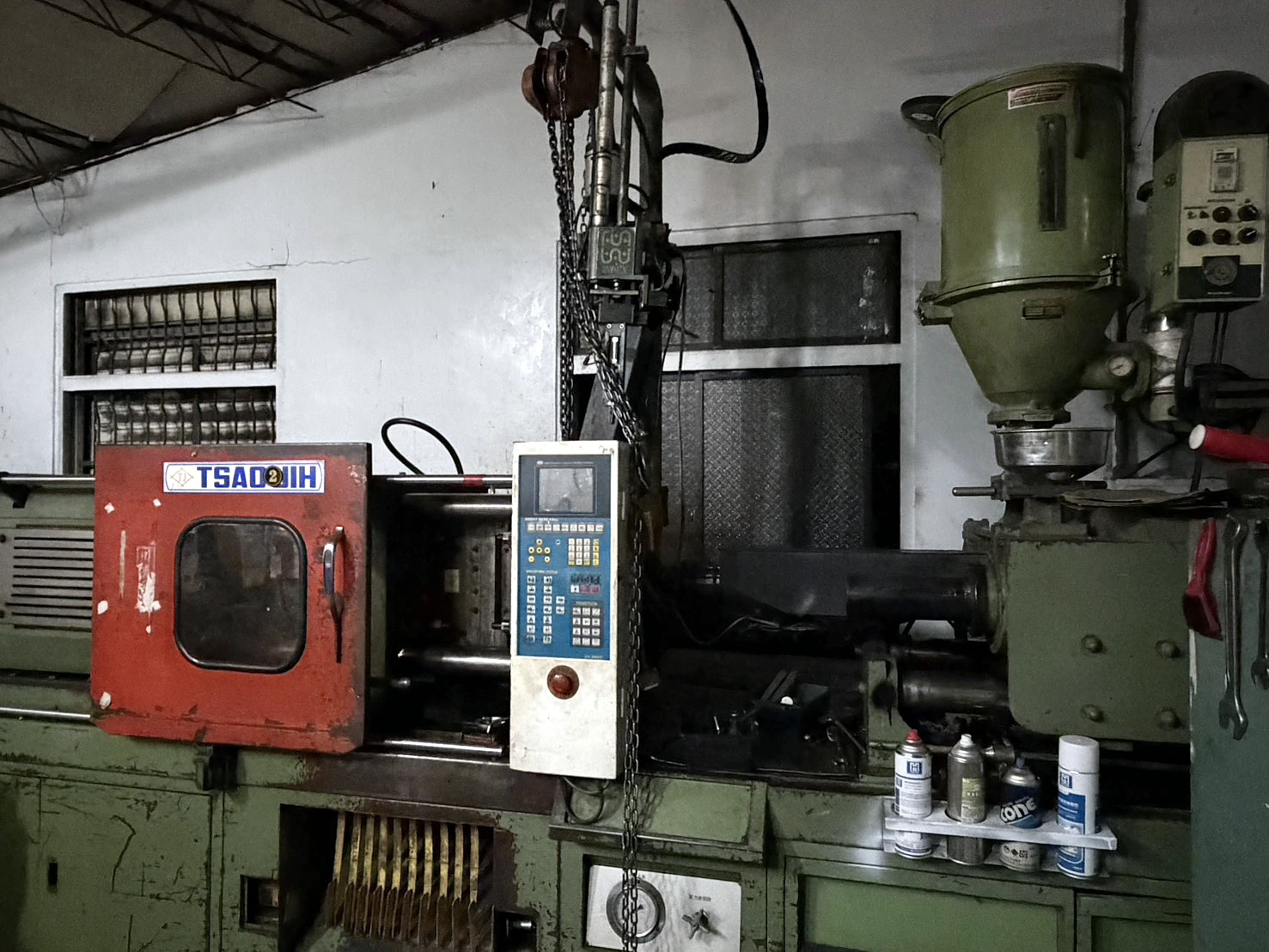
Chien Chen runs injection molding machines from 50–700T, covering everything from small precision parts to large structural components, and can match the right machine to your part size, material and volume. See our capabilities or send your drawings to request a quote.